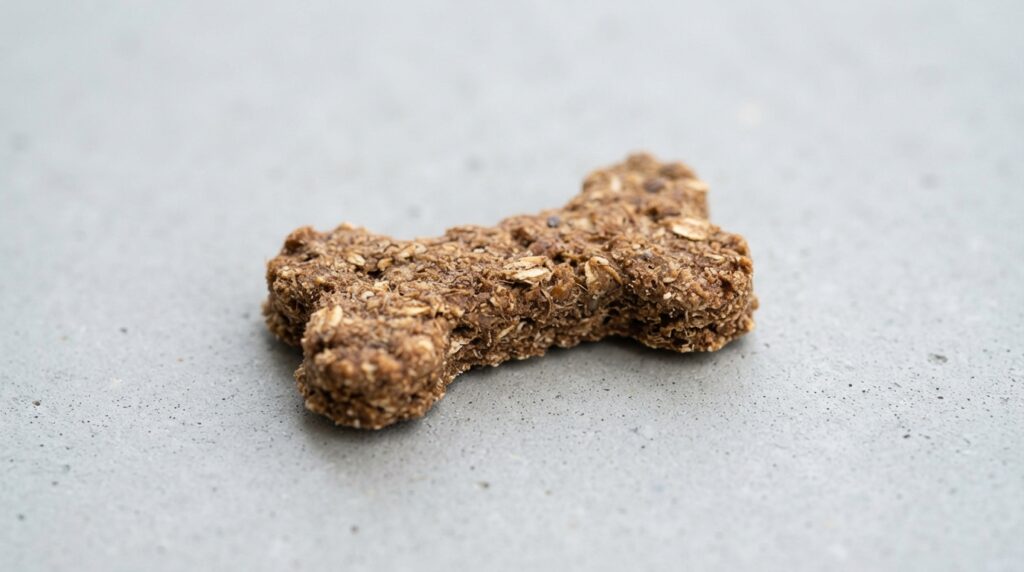
A treat can be a useful part of a dog’s daily schedule when portions remain reasonable and the food fits the animal’s nutritional needs. Treats are often used during training, after grooming, during travel, or simply as occasional rewards. Products that contain cannabidiol require another layer of consideration because the ingredient has received substantial attention while veterinary evidence and regulatory approval remain limited. Holistapet CBD Dog Treats are available in many formulations, but differences in cannabinoid concentration, ingredients, testing, and labeling make individual products difficult to compare without reading the details. CBD, or cannabidiol, is a cannabinoid found in cannabis plants. THC is a separate cannabinoid and can cause intoxication in dogs. Cannabis exposure can produce signs such as lethargy, vomiting, impaired coordination, agitation, tremors, and changes in heart rate. The FDA has not approved cannabis or cannabis-derived products for use in animals, so veterinary guidance remains important when considering these products.
Creating a Treat Routine That Makes Sense
A good treat routine starts with consistency. Dogs learn patterns quickly, so treats often become associated with specific activities such as sitting on command, remaining calm during grooming, or returning when called.
Keep Rewards Proportional
A treat does not need to be large to be useful. During training, repeated rewards can add considerable calories if each reward is substantial. Smaller portions can make it possible to reinforce several behaviors without changing the dog’s overall diet significantly.
The dog’s regular food should remain the primary source of nutrition. Treats should fit around meals rather than gradually replacing them. This becomes particularly relevant when a household has several people who reward the same dog throughout the day.
A simple routine can include:
- Keeping treats in one designated container
- Measuring or estimating the day’s reward allowance
- Using smaller pieces during repetitive training
- Recording new products when a dog has dietary sensitivities
- Keeping treats inaccessible when nobody is supervising
- Avoiding several new food products at the same time
The routine should also account for the dog’s size, age, activity level, and body condition. A highly active young dog may have different calorie requirements from a senior dog that spends most of the day resting.
Make the Reason for the Treat Clear
Ordinary training rewards have a straightforward function. A CBD-containing treat introduces another question: why is CBD being included?
Commercial products may be marketed for calmness, mobility, comfort, or general wellness. Those claims should be evaluated separately from established veterinary treatment. A dog showing a new health symptom needs assessment rather than an assumption that a specialized treat addresses the underlying problem.
For example, a dog that suddenly avoids stairs may have a joint problem, injury, muscle weakness, excess weight, or another medical condition. Giving a treat marketed for mobility does not determine which of those issues is present.
Understanding the CBD Component
CBD is one of many naturally occurring compounds found in cannabis. Its presence in a dog treat does not make the product equivalent to an ordinary snack because cannabinoids can interact with biological systems.
CBD Is Different From THC
CBD and THC have different effects. THC can cause intoxication and is a recognized concern when dogs consume cannabis products. Dogs exposed to THC may develop lethargy, vomiting, impaired coordination, urinary incontinence, agitation, tremors, or other symptoms.
CBD does not produce the same intoxicating effect associated with THC. That distinction does not establish that CBD-containing treats are risk-free.
The word “hemp� also requires careful interpretation. A product may be described as hemp-derived without giving enough information about the amount of CBD or THC present. The cannabinoid profile should be checked through the actual product information.
Concentration Matters
CBD concentration can differ substantially between treats. Some products state the amount per piece, while others provide a total amount for the entire package.
For example, a package containing 300 milligrams of CBD across 30 evenly formulated treats would mathematically correspond to 10 milligrams per treat. That calculation describes concentration only. It does not establish that 10 milligrams is an appropriate amount for a particular dog.
The appropriate amount of CBD for a specific animal is not established by simply dividing a package’s total CBD content by the number of treats. Factors such as the dog’s health status, other medications, product formulation, and the reason for use may affect the decision.
Evaluating Ingredients and Label Information
A clear label can answer basic questions before a purchase is made. The front of the package is usually less useful than the complete ingredient panel and cannabinoid information.
Details Worth Checking
Look for:
- CBD amount per treat or serving
- Complete ingredient list
- THC information
- Serving instructions
- Manufacturer information
- Batch or lot number
- Storage instructions
- Laboratory testing information
A complete ingredient list is especially useful when a dog has allergies or dietary restrictions.
For example, a dog may tolerate CBD but react to a particular protein or flavoring ingredient in the treat. The cannabinoid is only one part of the formulation.
Why Testing Can Be Useful
Independent laboratory testing can provide information about cannabinoid concentrations and selected contaminants. A certificate of analysis, or COA, may report CBD, THC, other cannabinoids, pesticides, heavy metals, or microbial testing depending on the laboratory panel.
The report should ideally correspond to the specific product and batch being sold. A generic report without a matching product identifier gives less useful information about the package being considered.
Testing can help answer questions about product composition. It cannot prove that a treat will produce a specific medical result.
A laboratory report showing a particular CBD concentration does not establish that the product can treat pain, anxiety, arthritis, seizures, or another condition.
Wellness Claims Need Careful Interpretation
Product descriptions often use terms such as calming, soothing, natural, comfortable, or wellness-focused. These words describe how a product is positioned, but they do not automatically establish clinical effectiveness.
Ask What the Claim Actually Means
A practical review can ask:
- What specific benefit is being claimed?
- Is there research involving dogs?
- Was the research conducted with a comparable formulation?
- Was the tested amount similar to the amount in the product?
- Does the claim involve treatment of a medical condition?
- Is the evidence based on controlled research or only general product information?
These questions help separate measurable product characteristics from promotional language.
Medical Symptoms Need Another Approach
If a dog develops persistent diarrhea, sudden appetite loss, repeated vomiting, seizures, unusual weakness, breathing difficulty, or a major change in behavior, veterinary assessment is appropriate.
A specialized treat does not identify the cause of a symptom. Several different medical problems can produce similar outward signs.
A dog that becomes reluctant to climb stairs, for example, may have arthritis, an injury, muscle weakness, excess weight, or another condition. A product marketed for mobility cannot determine which explanation applies.
Considering the Dog’s Age and Health
The same product should not automatically be considered appropriate for every dog.
Young Dogs
Puppies have changing nutritional requirements and developing bodies. Their feeding plans are designed around growth, which makes unnecessary additions less desirable without professional advice.
Training treats can be useful for puppies, but simple food rewards may be easier to manage when teaching basic behaviors.
Adult Dogs
Healthy adult dogs may have fewer dietary restrictions, although allergies, body condition, medication use, and activity level still matter.
A new treat should be introduced carefully. Changes in appetite or digestion can provide early clues that a product is unsuitable.
Older Dogs
Senior dogs may develop changes in movement, sleep, appetite, or behavior. These changes should be evaluated when they are persistent or sudden.
A dog that becomes reluctant to walk may have arthritis, an injury, excess weight, or another condition. A CBD treat should not be used to assume the cause.
Medication and CBD
Dogs receiving medication require additional caution because CBD may affect pathways involved in drug metabolism.
Provide the Exact Product Information
A veterinarian evaluating CBD use should receive the exact product name, ingredient list, CBD concentration, and available laboratory report.
The dog’s medication list should include prescriptions, supplements, and other regular products.
This information allows a more complete assessment of potential interactions and the dog’s broader health picture.
Observe for Adverse Effects
Possible effects associated with CBD exposure include sleepiness, diarrhea, reduced appetite, and changes in liver-related measurements.
If a dog develops unusual symptoms after receiving a new product, further use should be paused while veterinary advice is obtained. Suspected accidental consumption of a large quantity or exposure to THC requires prompt attention.
Current Regulatory Information
The FDA has not approved cannabis or cannabis-derived products for use in animals. Commercial availability should therefore not be interpreted as proof that a particular product has been approved for a veterinary purpose.
The regulatory position also means that consumers should examine product claims carefully. A product marketed as a supplement or wellness treat may still raise regulatory questions if its advertising claims that it can treat or prevent a specific disease.
The FDA has continued to examine cannabis-derived products used in veterinary medicine, including questions involving product quality, potential benefits, adverse events, drug interactions, and toxicological concerns.
This ongoing evaluation makes careful product selection especially relevant. A product’s availability on the market does not answer questions about its effectiveness for an individual dog.
Making the Routine Easier
A practical treat routine does not need complicated calculations. Keep portions consistent, account for all rewards, store products safely, and monitor the dog’s response to new foods.
For training, small rewards are often easier to manage than large snacks. For occasional use, the treat should still fit the dog’s daily nutritional plan.
If CBD is being considered because of a health concern, the discussion should begin with a veterinarian rather than the product label.
Final Thoughts
A better treat routine depends on consistency, portion awareness, ingredient review, and careful observation. CBD-containing treats require those same habits plus additional attention to cannabinoid content, testing, potential interactions, and the current lack of FDA approval for animal use.