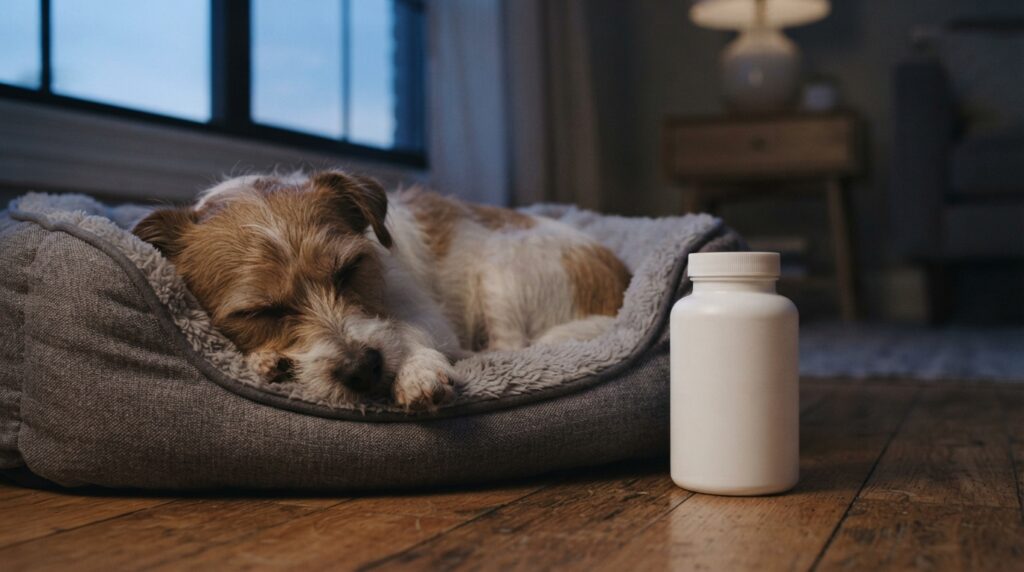
Sleep patterns can change for dogs for many reasons. A new home, unfamiliar sounds, travel, changes in household routines, aging, or nighttime anxiety may affect how easily a dog settles down. Some dogs sleep for long stretches during the day and become restless after dark, while others have trouble relaxing even when the home is quiet.
Melatonin is a hormone naturally produced by the body that helps regulate the sleep-wake cycle. Because of this role, Holistapet Melatonin for Dogs has become a subject of interest among pet owners looking for ways to support normal nighttime rest. Its use in dogs requires some care, since products made for people may contain ingredients that are unsuitable for pets.
Understanding Melatonin and Canine Sleep
Melatonin is produced mainly by the pineal gland. In humans and other mammals, production generally increases as darkness approaches. This natural rise helps signal that the body should prepare for sleep. Light exposure can affect melatonin production, which is one reason regular day and night patterns are useful for animals.
Dogs have their own natural melatonin system, but their sleep habits differ from those of humans. Adult dogs commonly sleep around 12 to 16 hours within a 24-hour period, although age, breed, activity level, health, and living conditions can change that amount. Puppies and older dogs may sleep considerably more.
A dog that wakes occasionally during the night may have a normal sleep pattern. A persistent change deserves closer attention. Frequent nighttime pacing, whining, panting, repeated bathroom trips, or confusion can sometimes be associated with an underlying medical or behavioral issue.
Why Sleep Patterns Change
A temporary disruption may happen after a household change. Moving furniture, introducing another pet, changing feeding times, or traveling can alter familiar routines. Noise from storms, fireworks, construction, or traffic can also make some dogs more alert after dark.
Older dogs can experience changes in their sleep-wake cycle. Canine cognitive dysfunction is one possible cause of nighttime restlessness in senior dogs. Pain, urinary problems, gastrointestinal discomfort, and other medical conditions may produce similar behavior.
That distinction matters because a supplement cannot address every cause of poor sleep.
When Melatonin May Be Considered
Veterinarians sometimes recommend melatonin for specific situations in dogs. Its use may relate to sleep disturbances, certain forms of anxiety, or some coat and skin conditions. Evidence varies by condition, and melatonin should not be treated as a universal solution for nighttime behavior.
Research involving melatonin in veterinary medicine is still more limited than research involving common human medications. The American Kennel Club notes that veterinarians may use melatonin for dogs in certain circumstances, while the American Society for the Prevention of Cruelty to Animals emphasizes veterinary guidance when supplements or medications are being considered.
A useful starting point is identifying the reason for the dog’s behavior.
For example, a dog that becomes restless only during thunderstorms may need an anxiety-focused plan. A senior dog that wanders around the house every night may need an examination for cognitive or physical problems. A dog that suddenly wakes repeatedly to urinate may require evaluation of the urinary system.
Situations That Deserve Veterinary Attention
Before considering a sleep supplement, watch for changes such as:
- Sudden nighttime restlessness in a previously settled dog
- Repeated vomiting, diarrhea, coughing, or breathing difficulty
- Excessive thirst or frequent urination
- Signs of pain when lying down or getting up
- Confusion, staring, wandering, or getting stuck in corners
- Significant changes in appetite or weight
- New aggression, fear, or unusual vocalization
- Severe daytime sleepiness after starting a supplement
A veterinarian can determine whether the sleep problem is connected to a condition that needs treatment.
Choosing a Suitable Product
The product itself deserves careful attention. Human melatonin products can contain additional ingredients that are unsafe for dogs. Xylitol is a major concern because it can cause dangerous hypoglycemia and liver injury in dogs. The U.S. Food and Drug Administration warns that xylitol is toxic to dogs.
Melatonin products may also come as tablets, capsules, liquids, powders, or flavored chewables. Flavoring agents and sweeteners can differ substantially between products.
The safest approach is to check the complete ingredient list before giving anything to a dog.
Ingredients That Need Special Attention
Look beyond the amount of melatonin listed on the front label. The inactive ingredients can matter just as much.
Potential concerns include:
- Xylitol or products labeled with related sugar-alcohol terminology
- Multiple herbal ingredients with limited canine safety information
- High levels of additional vitamins or minerals
- Combination sleep products intended for humans
- Extended-release formulations without veterinary direction
- Gummies or flavored products containing unnecessary additives
A product marketed specifically for pets may still require ingredient checking. Pet labeling alone does not replace professional advice.
Melatonin Dosage Requires Individual Assessment
There is no single melatonin dose that is appropriate for every dog. Body size is one factor, but it is not the only one. Age, medical history, other medications, the intended purpose, and the specific formulation can all affect the decision.
Veterinary references commonly describe different dosing ranges for different uses, which is one reason a general internet dosage chart can be misleading. A dose discussed for a particular dermatological condition may not be appropriate for a dog experiencing nighttime restlessness.
Veterinarians may also recommend different amounts depending on whether melatonin is being used as a short-term aid or for another purpose.
The label should never be used as the only basis for deciding how much to give. A veterinarian can provide instructions appropriate for the individual dog.
What to Record Before an Appointment
A simple sleep log can make the discussion more useful. Record the time the dog goes to bed, when restlessness begins, how long the episode lasts, and what behavior occurs.
It can also help to record:
- Daily feeding times
- Exercise and outdoor activity
- Daytime sleeping periods
- Medication and supplement use
- Episodes of barking or whining
- Bathroom trips during the night
- Environmental triggers such as storms or loud noises
Patterns can become easier to recognize after several days.
Possible Side Effects
Melatonin is generally considered to have a relatively wide safety margin in dogs when used appropriately, but side effects can occur. Sleepiness is one of the more expected effects. Some dogs may also develop gastrointestinal upset or changes in activity.
A dog that becomes unusually difficult to wake, develops repeated vomiting, shows weakness, has trouble walking, or experiences another concerning reaction should receive prompt veterinary attention.
Accidental ingestion also deserves attention. The risk depends on the product, amount consumed, and ingredients. A product containing xylitol presents a separate emergency because of the toxicity of that ingredient.
Pet owners should keep supplements in secure storage, just as with prescription medications.
Building Better Sleep Habits
A supplement is only one possible part of a sleep routine. Environmental changes can help many dogs settle more comfortably.
A predictable schedule can make nighttime cues easier to understand. Meals, exercise, outdoor breaks, and bedtime can occur at roughly consistent times. Dogs also benefit from having a comfortable sleeping area away from excessive household activity.
A practical evening routine might include a calm walk, bathroom break, access to fresh water, and a quiet resting location. High-energy play immediately before bedtime may make some dogs more alert instead of relaxed.
Light exposure during the day can also help maintain a regular daily rhythm. During nighttime hours, keeping the environment quiet and relatively dark can reinforce the difference between daytime activity and nighttime rest.
Senior Dogs Need Extra Observation
Older dogs deserve particular attention when their sleep habits change. A senior dog that begins pacing at night may have pain, sensory changes, cognitive dysfunction, or another health problem.
Changes should be documented rather than automatically attributed to aging. Veterinary assessment can help separate normal age-related changes from conditions that require treatment.
What the Evidence Says
Melatonin has been studied in veterinary settings, but the research base is smaller than the evidence available for many established veterinary medications. Studies have examined its possible effects in areas such as sleep, anxiety-related behavior, reproductive physiology, and certain hair-growth disorders.
The National Center for Complementary and Integrative Health explains that melatonin has biological effects related to circadian rhythms and sleep, but evidence for particular uses depends on the condition being studied. Veterinary applications require separate consideration because animal metabolism, dosing, and product formulations differ from those used in humans.
There is also a practical issue with supplement quality. The U.S. Food and Drug Administration does not approve dietary supplements for safety and effectiveness before they reach the market in the same manner as prescription drugs. This makes careful product selection and veterinary guidance especially useful.
A Simple Safety Checklist
Before giving a melatonin product to a dog, consider these steps:
- Identify why the dog is having difficulty sleeping.
- Check the entire ingredient list.
- Avoid products containing xylitol.
- Ask a veterinarian about the appropriate formulation and amount.
- Mention all current medications and supplements.
- Monitor the dog after the first use.
- Keep the product securely stored.
- Seek veterinary advice if unusual symptoms appear.
This approach reduces the chance of treating a symptom while overlooking a medical problem.
Final Thoughts
Melatonin may have a place in canine care for selected situations, but its use should be based on the dog’s individual needs, product ingredients, and veterinary guidance. A consistent sleep routine and investigation of sudden behavioral changes are equally important when supporting healthy rest.